
UK Fuel Theft Surges: £200,000 Daily Loss Since Iran Conflict
Fuel theft in the UK has increased by 20% in five months amid Iran tensions. Industry data reveals £200,000 stolen daily from forecourts across the nation.
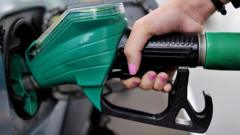
Fuel Theft Crisis Escalates Across British Forecourts
The United Kingdom is facing an unprecedented fuel theft epidemic, with criminal activity draining approximately £200,000 from forecourts each day since tensions with Iran intensified. Industry analysis reveals a troubling 20-percent surge in incidents of motorists obtaining fuel without payment over a five-month period, marking a significant departure from previous years' crime statistics.
This alarming trend in fuel theft UK represents more than isolated criminal acts; it reflects deeper concerns about economic pressures affecting communities nationwide. Petrol station operators and fuel suppliers are increasingly vulnerable to sophisticated and opportunistic theft schemes that undermine their business models and profitability.
Understanding the Scale of the Problem
The sheer volume of daily losses—£200,000—translates to approximately £30 million stolen monthly from British forecourts. This staggering figure demonstrates how widespread the issue has become across different regions, from metropolitan areas to rural locations. Smaller independent service stations report being disproportionately affected, lacking the advanced security infrastructure available to larger corporate chains.
The five-month timeframe correlating with geopolitical tensions involving Iran suggests a direct relationship between international instability and domestic crime patterns. As global energy markets fluctuate and fuel prices experience volatility, consumers facing financial strain may resort to unlawful behaviour at the pumps.
Impact on Petrol Station Operations
Financial Burden on Forecourt Operators
Forecourt owners and managers struggle to absorb losses from petrol station robbery incidents. Many operate on razor-thin profit margins, making even modest theft significant threats to viability. The cumulative effect of daily losses compounds stress on business owners who must simultaneously maintain competitive pricing, invest in security upgrades, and sustain operational excellence.
Security Measures and Prevention Strategies
Industry responses include enhanced CCTV systems, pay-before-pumping protocols, and increased staffing during peak hours. However, implementing comprehensive security measures requires substantial capital investment that many independent operators struggle to justify given existing economic pressures. Larger corporations possess resources for technological solutions unavailable to smaller competitors, creating inequality in loss prevention capabilities.
Broader Economic and Social Context
The rise in forecourt crime cannot be isolated from wider economic indicators. Inflation, stagnant wages, and rising energy costs create desperation among certain population segments. Simultaneously, global tensions—particularly Middle Eastern conflicts affecting oil supplies—introduce uncertainty into energy markets, driving price fluctuations that further strain household budgets.
Fuel represents an essential commodity rather than a luxury good, meaning theft disproportionately affects individuals unable to afford legitimate purchases. This socioeconomic dimension complicates simple law-and-order responses, suggesting underlying systemic issues requiring nuanced policy solutions.
Industry Response and Calls for Action
Fuel industry representatives have escalated demands for government intervention and enhanced law enforcement resources. Trade associations argue that current policing levels prove insufficient to deter organised and casual perpetrators alike. Proposals include dedicated task forces focusing on fuel prices surge management and theft prevention, alongside coordinated intelligence sharing between stations.
Some forecourt operators advocate for legislation enabling stricter penalties for fuel theft, recognising that current consequences insufficiently deter repeat offenders. Additional suggestions involve technological solutions, such as fuel cap locks and advanced payment authentication systems preventing pump operation until payment completion.
Long-Term Implications for Energy Security
Persistent fuel theft threatens broader energy security by undermining distribution networks' financial sustainability. When operators operate at losses, they reduce investment in maintenance, customer service, and expansion. Rural communities particularly risk losing access to essential fuel services as unprofitable locations close operations.
The geopolitical dimension remains significant, with international tensions directly influencing domestic crime patterns. As global energy markets remain turbulent and climate policies reshape fuel demand, forecourt vulnerabilities require comprehensive responses balancing security, economic viability, and social welfare considerations.