
UK Steel Nationalisation Sparks Sharp Response from China
China criticises UK government's decision to nationalise British Steel, citing concerns over state control of vital industrial capability and international trad...
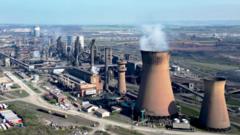
China Issues Strong Criticism Over British Steel Takeover
The British Steel nationalisation announcement has drawn significant criticism from China, marking a notable diplomatic friction point between the two nations. The United Kingdom's decision to place the major steelmaker under state control has prompted sharp responses from Beijing, which questions the implications of such industrial policy decisions on international commerce and market dynamics.
Government Justification for Public Ownership
British authorities have positioned the British Steel nationalisation as a strategic move designed to preserve "a vital national capability" for the country. Officials argue that maintaining domestic control over this critical manufacturing asset ensures long-term industrial security and protects the nation's capacity to produce steel for essential infrastructure, defence, and manufacturing sectors. The government emphasizes that this intervention safeguards employment levels and supports regional economies heavily dependent on steel production operations.
China's Concerns About State Control
Beijing's response to the British Steel nationalisation reflects broader concerns regarding government ownership of strategic industries. Chinese officials have expressed reservations about how state-controlled enterprises align with international trade principles and fair competition frameworks. This stance appears connected to ongoing discussions about industrial policy practices across major economies and their potential impact on global supply chains and commercial relationships.
International Trade Implications
The British Steel nationalisation decision carries significance beyond domestic UK policy considerations. The move raises questions about how different nations approach strategic industry protection and state intervention in previously privatised sectors. Such actions influence international trade negotiations, investment climate perceptions, and regulatory frameworks that govern cross-border business operations.
Steel Industry Strategic Importance
Steel production remains fundamental to national economies, supporting automotive manufacturing, construction, renewable energy infrastructure, and defence applications. The British Steel nationalisation underscores how governments worldwide view control over such sectors as essential to maintaining competitive advantage and industrial independence. Many countries maintain varying degrees of involvement in their domestic steel markets to ensure supply security and manufacturing resilience.
Looking Forward
The British Steel nationalisation debate highlights ongoing tensions between free market principles and government intervention in strategic sectors. As nations navigate post-pandemic economic recovery and supply chain reorganization, decisions regarding public ownership of major industrial assets will likely remain contentious. China's criticism signals that such policy choices increasingly factor into broader diplomatic relationships and international economic negotiations.