
Ukraine Escalates Attacks on Russian Naval Forces Near Crimea
Ukraine intensifies military operations targeting Russian ships near Crimea, disrupting fuel supplies and naval logistics in the Black Sea region.
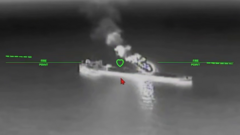
Ukraine Intensifies Military Campaign Against Russian Naval Assets
Ukraine attacks Russian ships near Crimea represent a significant escalation in military operations targeting Moscow's supply chains and naval infrastructure in the Black Sea. The coordinated strikes demonstrate Kyiv's strategic focus on disrupting critical logistics and undermining Russian military capabilities in occupied territories.
These military operations form part of a broader Ukrainian strategy aimed at strangling transportation routes and supply corridors serving Crimea and adjacent regions under Russian control. By concentrating firepower on maritime targets, Ukrainian forces are attempting to isolate Russian positions and create unsustainable conditions for occupation forces.
Strategic Objectives Behind the Naval Strikes
The coordinated assaults on Russian military vessels serve multiple strategic purposes within Ukraine's overall defense framework. Attacking Russian ships near Crimea reduces Moscow's ability to maintain supply lines essential for sustaining military operations in the peninsula and surrounding waters.
Ukraine's military command has consistently identified naval logistics as a priority target. Fuel supplies represent a particularly critical resource for Russian naval operations, and disrupting these shipments creates compounding challenges for fleet maintenance and operational readiness. The systematic approach to targeting these resources reflects careful strategic planning by Ukrainian military analysts.
Impact on Russian Supply Networks
Russian military planners face mounting difficulties maintaining their Black Sea presence amid sustained Ukrainian pressure. Supply routes that once functioned with relative security now face constant threat, forcing Moscow to adopt costly defensive measures and reroute shipments through less efficient corridors.
The vulnerability of maritime transport has become increasingly apparent as Ukrainian capabilities expand. Russian ships operating near Crimea operate under heightened alert conditions, with crews implementing enhanced defensive protocols. This operational burden reduces efficiency and increases costs associated with maintaining naval presence in contested waters.
Historical Context of Black Sea Operations
Conflict in the Black Sea region has intensified significantly since Russia's full-scale invasion. Ukraine attacks Russian ships near Crimea have become increasingly frequent and sophisticated, utilizing various weapons systems and tactical approaches. Earlier phases of this maritime conflict focused on specific high-value targets, while recent operations demonstrate broader campaign objectives.
The progression from isolated strikes to coordinated attacks reflects Ukrainian military evolution. As Kyiv develops improved targeting capabilities and access to advanced equipment, operational tempo accelerates. Russian naval forces, once dominant in regional waters, now operate under persistent threat from multiple Ukrainian strike platforms.
Fuel Supply Disruption as Strategic Leverage
Fuel supplies represent the lifeblood of military operations, and Ukraine recognizes this fundamental principle. By systematically targeting tankers, supply vessels, and associated infrastructure, Ukrainian forces create cascading effects throughout Russian military logistics. Without adequate fuel reserves, combat units experience reduced operational capability regardless of other advantages.
The Black Sea serves as a critical conduit for Russian fuel shipments destined for Crimea and other occupied regions. Disrupting this maritime corridor forces Russian logisticians to seek alternatives, each inherently less reliable and more costly. This economic and operational pressure accumulates over time, gradually degrading Russian military effectiveness throughout the region.
Broader Implications for Regional Security
These ongoing operations underscore fundamental shifts in Black Sea power dynamics. Ukraine attacks Russian ships near Crimea demonstrate that despite facing a militarily superior adversary in certain respects, Kyiv maintains capacity for strategic offensive operations. This asymmetric advantage allows Ukraine to shape operational conditions and impose disproportionate costs on Russian military capabilities.
International observers note that sustained Ukrainian pressure on maritime targets creates long-term strategic consequences. Russian commanders must allocate increasingly substantial resources toward defensive measures, reducing available forces for offensive operations elsewhere. This forced redistribution of military effort benefits Ukrainian forces by providing breathing room to consolidate defensive positions and prepare counteroffensives.
Future Outlook and Strategic Implications
Military analysts anticipate continued Ukrainian focus on maritime targets and supply disruption operations. As Ukraine attacks Russian ships near Crimea with growing frequency, Moscow faces difficult strategic choices regarding resource allocation and force deployment. Maintaining an effective Black Sea presence requires sustained logistical support that becomes progressively harder to guarantee under current conditions.
The trajectory of this maritime conflict suggests Ukrainian operations will likely expand in scope and sophistication. Improved targeting intelligence, additional weaponry, and tactical innovations provide Kyiv with expanding operational options. Russian military planners must develop effective countermeasures while simultaneously managing broader defensive requirements across multiple fronts.