
Ukraine Targets Crimean Oil Facilities: Fuel Sales Suspended
Ukraine's military strikes on oil infrastructure in occupied Crimea have led to a complete halt in fuel sales. Learn about the impact on supply chains and fuel...
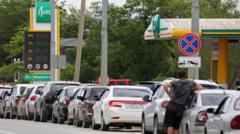
Fuel Sales Halted Following Strategic Strikes
Fuel sales halted Crimea as Ukraine continues to target critical oil facilities in the Russian-occupied peninsula, marking an escalation in the military campaign against energy infrastructure. The complete suspension of fuel distribution represents a significant development in the ongoing conflict, with severe consequences for civilian and military operations across the region.
Rationing Measures Intensify Supply Shortage
Prior to the current suspension, fuel supplies had already been subject to strict rationing protocols. The shortage situation deteriorated significantly due to Kyiv's coordinated military operations against supply routes operating throughout Russian-occupied territories. These attacks have systematically disrupted the logistical networks that once facilitated fuel distribution across the peninsula.
Strategic Targeting of Energy Infrastructure
Ukraine's military strategy has increasingly focused on energy infrastructure as a critical target. The assault on oil facilities in occupied Crimea represents a deliberate effort to undermine the occupying forces' operational capabilities. By targeting refineries, storage facilities, and distribution centers, Ukrainian forces aim to constrain the enemy's ability to sustain military operations while simultaneously affecting civilian populations.
Impact on Supply Routes and Distribution Networks
The attacks on fuel supply routes have created cascading effects throughout Russian-occupied territories. Transportation networks that previously connected major population centers with energy sources have been compromised, leading to widespread shortages. The interruption of these critical supply lines has forced authorities to implement emergency measures and contingency protocols.
Implications for Regional Stability
The complete halt in fuel sales halted Crimea creates unprecedented challenges for residents and institutions dependent on petroleum products. Hospitals, utility companies, and emergency services face operational constraints due to limited fuel availability. The energy crisis underscores the vulnerability of occupied territories to military pressure targeting essential infrastructure.
Military and Civilian Consequences
Beyond military implications, the fuel shortage affects ordinary citizens throughout occupied territories. Transportation becomes increasingly difficult, heating systems cannot operate reliably, and essential services face disruption. The civilian population bears significant hardship as fuel rationing measures progress toward complete unavailability.
Broader Context of Energy Warfare
This development reflects a broader pattern of targeting energy infrastructure in modern conflicts. Ukraine's focus on oil facilities represents a strategic approach to limiting opponent capabilities without direct confrontation on conventional battlefields. Energy infrastructure vulnerability has become a central element of contemporary warfare tactics.
Future Outlook and Potential Developments
The situation surrounding fuel sales halted demonstrates the dynamic nature of the conflict. As military operations continue, further disruptions to energy supplies appear likely. The sustainability of current conditions remains uncertain, with potential for either escalation or negotiated resolution of underlying conflicts.