
US Federal Probe Opens Into Fatal Tesla Crash
Federal authorities investigate deadly Tesla accident involving autopilot technology in Texas. Driver claims self-driving mode was active during fatal residenti...
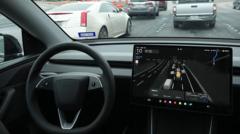
Federal Investigation Launches Into Deadly Tesla Collision
A fatal Tesla crash involving autopilot technology has prompted a formal investigation by U.S. federal authorities. The incident, which occurred in Texas on Friday, has raised critical questions about vehicle safety systems and autonomous driving capabilities. The operator of the vehicle stated that the Tesla's self-driving technology was engaged at the moment of impact, leading to intensified scrutiny of the electric manufacturer's assistance features.
Incident Details and Timeline
The Tesla crash resulted in the death of a female resident when the vehicle penetrated a residential property at high velocity. According to initial reports, the driver claimed that he had activated the vehicle's self-driving assistance system prior to the collision. The circumstances surrounding the accident suggest that the automated systems failed to prevent the catastrophic impact with the residential structure.
Friday's tragic event has become the focal point of regulatory examination, with federal agencies now reviewing the specific circumstances that led to this Tesla crash. Investigators are concentrating on whether the autopilot technology functioned as designed and whether adequate warning systems were in place to alert the operator of potential hazards.
Safety Concerns With Autonomous Features
The fatal Tesla accident underscores ongoing concerns within the automotive industry regarding semi-autonomous driving systems. These technologies, marketed to enhance driver safety and convenience, have become increasingly scrutinized following several high-profile incidents. The ability of vehicles to operate independently while maintaining human oversight remains a complex technical and regulatory challenge.
Manufacturers continue to claim that their autopilot technology significantly improves safety metrics compared to traditional human-operated vehicles. However, incidents like this Texas fatality challenge those assertions and demand comprehensive examination of how these systems perform under real-world conditions.
Regulatory Response and Investigation Scope
Federal regulators have initiated a thorough investigation into the Tesla crash to determine whether design defects, software malfunctions, or inadequate safety warnings contributed to the tragedy. The National Highway Traffic Safety Administration and other relevant agencies will examine vehicle telemetry data, operational logs, and all available evidence from the incident scene.
The scope of this investigation extends beyond the immediate accident, as it may establish precedent for how similar autonomous driving incidents will be handled in future cases. Regulators are particularly interested in understanding the decision-making processes embedded within the Tesla's autopilot technology and whether proper safeguards exist to prevent misuse or malfunction.
Impact on Tesla and the Autonomous Driving Industry
This fatal Tesla accident represents a significant challenge to the broader autonomous vehicle sector. As multiple manufacturers race to develop and deploy self-driving capabilities, incidents highlighting system failures threaten to undermine public confidence in these technologies. The investigation's findings could potentially influence regulatory frameworks governing autonomous vehicle deployment across the United States.
Tesla, as a pioneering company in electric vehicle and autonomous technology development, faces particular scrutiny following this tragic event. The company's reputation for innovation is now weighed against safety considerations that remain unresolved in the minds of both regulators and consumers.
Broader Implications for Vehicle Safety Standards
The Texas Tesla crash exemplifies the complex intersection between technological advancement and public safety. As vehicles become increasingly capable of operating independently, questions emerge regarding liability, responsibility, and adequate safety protocols. This incident will likely influence how policymakers approach regulation of emerging automotive technologies.
The investigation into this fatal collision will provide valuable data regarding the performance of autopilot systems under emergency conditions and their ability to prevent collisions with stationary obstacles such as residential structures. Results from this investigation may necessitate modifications to existing safety standards and operational guidelines for semi-autonomous vehicles.
Moving Forward
The death resulting from this Tesla crash has catalyzed formal governmental action aimed at protecting public safety. As the investigation progresses, findings will inform discussions between manufacturers, regulators, safety advocates, and the general public regarding the appropriate deployment and oversight of autonomous driving technologies in residential areas and beyond.