
US Halts HIV Program Funding in South Africa Amid Concerns
The United States announces the cessation of HIV program funding in South Africa, home to over 8 million people living with the virus. Learn about the implicati...
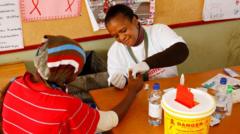
United States Announces Halt to HIV Initiatives in South Africa
The United States has made the significant announcement to discontinue financial support for US HIV program funding in South Africa, a decision that carries substantial implications for one of the world's most affected nations. This policy shift comes at a critical time when South Africa continues to grapple with the burden of managing the largest HIV-positive population globally, with health authorities documenting that more than eight million individuals are currently living with the virus within the country's borders.
The Scale of the HIV Crisis in South Africa
South Africa stands at the epicenter of the global HIV pandemic, representing the country with the highest absolute number of people living with HIV anywhere on Earth. The magnitude of this public health challenge cannot be overstated. With more than eight million South Africans infected, the nation faces unprecedented pressure on its healthcare infrastructure, treatment delivery systems, and public health resources. This figure underscores the severity of the epidemic and demonstrates why international cooperation and financial support have been instrumental in managing the crisis over the past two decades.
Impact of Reduced International Support
The decision to withdraw US HIV program funding in South Africa raises critical questions about the future trajectory of treatment and prevention initiatives. The United States has historically been among the largest contributors to HIV response programs across Africa, providing essential resources through various bilateral agreements and multilateral partnerships. The discontinuation of this funding threatens to disrupt established treatment centers, interrupt antiretroviral therapy programs, and compromise prevention strategies that have made measurable progress in recent years.
Healthcare facilities across South Africa have become increasingly dependent on international financial assistance to maintain comprehensive HIV services. These funds have supported the training of healthcare workers, procurement of essential medications, laboratory testing capabilities, and community outreach programs. Without continued US HIV program funding in South Africa, many institutions face difficult decisions about service sustainability and capacity maintenance.
Existing Treatment Infrastructure Under Pressure
South Africa has developed one of Africa's most advanced antiretroviral treatment networks, with millions of people accessing life-prolonging medications through both public and private healthcare channels. This achievement represents decades of investment and coordination between domestic government agencies and international partners. The withdrawal of external financial support threatens the stability of these hard-won gains and could compromise treatment continuity for vulnerable populations.
The country's National Department of Health has implemented ambitious programs aimed at achieving epidemic control targets, including increasing testing rates and ensuring widespread access to treatment. These initiatives depend significantly on international resources that supplement domestic healthcare budgets, which remain constrained despite South Africa's relatively developed economy.
Broader Implications for Global HIV Response
This policy development reflects broader shifts in international development priorities and bilateral relations. The decision impacts not only South Africa but potentially signals changes in how the United States approaches HIV funding across the African continent. Other nations heavily reliant on US financial support for HIV programs may face similar uncertainties, potentially affecting millions of people dependent on these services.
The global HIV response has traditionally relied on sustained international funding partnerships, with multiple donors contributing resources to ensure comprehensive coverage. When major contributors reduce their commitments, the burden falls disproportionately on developing nations with limited fiscal capacity to absorb the funding gaps.
South Africa's Path Forward
As South Africa navigates this funding transition, the country must explore alternative revenue streams and potentially restructure its HIV response programs to align with available resources. Domestic resource mobilization will become increasingly important, requiring the government to prioritize HIV spending within national healthcare budgets. Regional partnerships with neighboring countries and engagement with other international donors may help offset the loss of US HIV program funding in South Africa.
The coming months will be critical in determining how effectively South Africa can maintain its HIV response infrastructure while adapting to the new funding landscape. Healthcare leaders, community organizations, and government officials will need to collaborate strategically to minimize disruption to patient services and prevention initiatives.