
US Launches New Military Strikes on Iran Amid Trump Retaliation Warning
The United States conducts fresh military strikes on Iran targeting naval capabilities. Trump warns of severe retaliation following soldier deaths in recent esc...
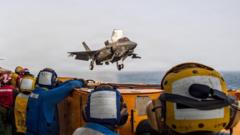
United States Conducts Fresh Military Operations Against Iran
The United States has launched a new series of military strikes on Iran as tensions continue to escalate in the Middle East region. These US military strikes Iran campaign represents an intensified response to mounting security concerns and recent incidents that have claimed American personnel. The operations signal a significant shift in US foreign policy approach toward Tehran and its regional activities.
Targeting Iran's Strategic Naval Infrastructure
According to US military officials, the military operations were specifically designed to degrade Iran's operational capabilities related to maritime attacks and naval operations. The strikes focused on dismantling Iran's ability to threaten international shipping corridors and launch coordinated assaults on vessels transiting through critical waterways. Intelligence assessments indicate that these targets represented key components of Iran's naval strike infrastructure.
Strategic Focus on the Strait of Hormuz
The primary objective of these operations centered on reducing Iran's threat capacity within the Strait of Hormuz, one of the world's most strategically important maritime passages. This vital shipping lane handles approximately one-third of global seaborne traded oil, making it essential to international commerce and energy security. By degrading Iran's capabilities in this region, the US aims to protect commercial vessels and maintain freedom of navigation for allied nations and international partners.
Trump Administration's Strong Warning
President Trump has issued a forceful warning regarding potential consequences for those responsible for the deaths of American soldiers. The president emphasized that any further aggression or attacks targeting US personnel would face swift and decisive retaliation. This stern message underscores the administration's commitment to protecting American lives and maintaining deterrence against hostile actors in the region.
Escalating Tensions in the Middle East
The recent cycle of attacks and counter-attacks reflects broader tensions between the United States and Iran that have intensified over recent months. The loss of American military personnel has served as a catalyst for increasingly aggressive US responses. Military analysts suggest that this pattern of escalation could lead to further confrontation unless diplomatic channels are activated to de-escalate the situation.
International Implications and Strategic Concerns
These military operations have significant implications for regional stability and international relations. Allied nations, particularly those dependent on Middle Eastern oil and gas resources, view the strikes as necessary measures to maintain security and prevent further disruptions to global commerce. The European Union and Asian trading partners have expressed concerns about maritime security in the region and the potential for broader conflict.
The strikes also highlight the vulnerability of commercial shipping in contested waters and the ongoing threat posed by advanced Iranian weaponry and naval capabilities. International shipping companies have increased security protocols and insurance rates for vessels transiting the Strait of Hormuz, reflecting the genuine threat environment. The economic impact of escalating tensions extends beyond regional boundaries, affecting global energy prices and supply chains worldwide.
Military Assessment and Strategic Objectives
Defense Department analysts have characterized these operations as carefully calibrated responses aimed at specific military targets rather than broader population centers or civilian infrastructure. The precision of the strikes demonstrates technological advancement and intelligence gathering capabilities that allow for targeted operations. However, military experts caution that such operations, while tactically sound, carry risks of miscalculation and unintended escalation.
Focus on Capability Degradation
The stated goal of degrading Iran's attack capabilities reflects a strategic approach focused on reducing threat levels rather than seeking regime change or territorial conquest. This methodology has been employed by US military planners for decades, particularly in situations requiring measured responses. By systematically reducing Iran's ability to project power and conduct attacks, the administration seeks to restore deterrence and prevent future incidents.
Looking Forward: Regional Stability and Diplomatic Options
As military tensions remain elevated, questions persist about the long-term trajectory of US-Iran relations. While military responses address immediate security concerns, sustained stability in the region will likely require diplomatic engagement and negotiation. International observers continue to monitor developments closely, recognizing that further escalation could have profound consequences for regional peace and global stability.