
US Removes Syria from Terrorism Sponsor List Under New Leadership
The United States officially delists Syria from its state sponsors of terrorism following the nation's political transition and new presidential leadership in D...
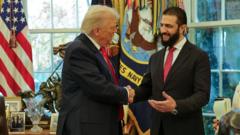
Washington's Decision to Delist Syria from Terrorism Sponsors
The United States has taken significant action by removing Syria from its official list of state sponsors of terrorism, marking a substantial shift in diplomatic relations with the Middle Eastern nation. This consequential move reflects changing dynamics in the region and a reassessment of Syria's current geopolitical standing on the international stage. The removal from the terrorism sponsor designation carries profound implications for trade, sanctions, and bilateral engagement between Washington and Damascus.
Political Transition and New Leadership
Syria's political landscape has experienced transformative changes that prompted the American government to reconsider its long-standing designations. The emergence of new leadership in the Syrian capital has created an opening for diplomatic re-engagement. Ahmed al-Sharaa has assumed the presidency, representing a departure from previous administration policies and approaches to governance. His background and commitment to institutional reform have influenced international perspectives on Syria's trajectory and future direction.
Implications of the Delisting Decision
Removing Syria from the state sponsors of terrorism list carries multiple ramifications for the nation's international standing. The designation previously restricted Syria's access to international financial systems, limited trade opportunities, and created barriers to economic cooperation with most Western nations. The delisting potentially opens pathways for renewed economic engagement, allowing Syrian entities greater participation in global commerce and banking systems. However, this action remains controversial among various international stakeholders who maintain concerns about regional security and humanitarian issues.
International Response and Strategic Considerations
The Trump administration's embrace of Syria's new government signals a recalibration of American foreign policy in the Middle East. This approach emphasizes pragmatism and engagement with emerging leadership rather than maintaining rigid adversarial positions. Regional partners have responded with varied reactions, reflecting differing strategic interests and security concerns. Some nations view the delisting as a positive step toward stability, while others express skepticism about the pace and scope of this diplomatic normalization.
Economic and Humanitarian Dimensions
The removal from terrorism designations carries substantial economic implications for Syrian reconstruction and development. Years of conflict have devastated Syrian infrastructure, requiring international investment and technical cooperation for rebuilding efforts. The delisting may facilitate access to international funding mechanisms and reduce barriers for humanitarian organizations operating within Syria. Nevertheless, challenges remain regarding transparent governance, accountability mechanisms, and assurances regarding future compliance with international norms and expectations.
Future Outlook for US-Syria Relations
This diplomatic development opens new chapters in American engagement with Syria and the broader Middle Eastern region. The trajectory of these relations will depend significantly on demonstrated commitments to institutional reform and adherence to international standards. Continued monitoring of Syria's governance practices, human rights records, and regional behavior will inform the sustainability of this diplomatic opening. The international community remains cautiously optimistic while maintaining vigilant oversight of developments within the nation and its interactions with neighboring states and global partners.