
US Treasury Secretary Warns Iran of Unprecedented Economic Isolation
Scott Bessent announces the US will sever all economic ties with Iran and isolate any nation supporting it financially in what he calls the greatest financial o...
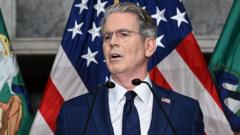
Iran Faces Historic Economic Isolation
Scott Bessent, the US Treasury Secretary, has declared that Iran faces what he describes as the "greatest financial offensive ever" as the United States moves forward with its most aggressive economic strategy against the Islamic Republic. This unprecedented Iran economic sanctions approach marks a significant escalation in financial pressure, signaling Washington's determination to fundamentally alter Tehran's economic landscape and international standing.
Comprehensive Economic Severance Strategy
According to Bessent, the administration plans to sever all economic ties with Iran, effectively cutting the country off from global financial systems and trade networks. This Iran economic sanctions policy goes beyond traditional restrictions by targeting the nation's ability to conduct international commerce. The scope of this financial isolation Iran approach encompasses banking systems, trade relationships, and investment channels that have previously remained partially operational.
Pressure on International Partners
A critical component of the new strategy involves isolating any nation that attempts to partner with Iran financially. Bessent's statement indicates that countries choosing to maintain economic relationships with Tehran will face consequences from the United States. This US Treasury Iran policy approach represents an attempt to create a wall of international pressure, preventing other nations from becoming economic lifelines for the Iranian government.
Global Compliance Requirements
Nations that fail to comply with the sanctions regime risk being excluded from American markets and financial systems themselves. The Treasury Secretary's declaration suggests that the United States will employ its substantial economic leverage to enforce compliance among its trading partners and allies. This strategy leverages America's position as a global financial powerhouse to maximize pressure on Iran's economy.
Broader Implications for International Commerce
The implementation of such comprehensive Iran economic sanctions would represent one of the most severe financial isolation Iran measures ever imposed on a sovereign nation. International businesses, financial institutions, and traders face complex decisions about whether to maintain any connections to the Iranian economy, given the threat of US penalties. The financial isolation Iran policy effectively extends American economic jurisdiction across global markets.
Impact on Global Trade Networks
Multinational corporations and international banks must now evaluate the risks of any Iranian transactions, no matter how indirect. The policy's reach extends to intermediaries, subsidiaries, and business partners of entities conducting trade with Iran. This comprehensive approach to Scott Bessent Iran policy aims to eliminate workarounds and secondary market solutions that businesses might otherwise pursue.
Strategic Economic Warfare
Treasury officials characterize this initiative as a calculated economic strategy designed to compel behavioral changes without military intervention. By weaponizing financial systems and international commerce, the administration seeks to achieve policy objectives through economic pressure rather than conventional military force. The US Treasury Iran policy represents an evolution in how nations use financial tools as instruments of statecraft.
Historical Precedent
While the United States has previously implemented sanctions against Iran, Bessent's characterization of this as the "greatest financial offensive ever" suggests an unprecedented level of coordination and comprehensiveness. Previous sanctions regimes had certain carve-outs and exceptions; this new approach appears designed to eliminate such flexibility entirely.
Long-Term Economic Consequences
Analysts suggest that sustained implementation of Iran economic sanctions at this scale could severely impact Iran's ability to conduct international trade, access foreign currency reserves, and attract foreign investment. The financial isolation Iran strategy could force significant economic adjustments within the country, affecting everything from oil exports to essential imports.
Challenges for Implementation
Enforcing such comprehensive sanctions requires sustained international cooperation and sophisticated financial monitoring. Countries with historical ties to Iran or those seeking to expand trade relationships may resist participation in the sanctions regime, creating enforcement challenges for American Treasury officials.
Response and Future Outlook
The Iranian government has not yet formally responded to Bessent's statement, though previous declarations suggest Tehran views such measures as illegitimate and economically hostile. The coming weeks will reveal how effectively the Scott Bessent Iran policy framework achieves its intended goals and how international partners respond to pressure to participate in the financial isolation Iran initiative.
The Treasury Secretary's announcement represents a critical moment in US-Iran relations, signaling that economic confrontation will remain a central feature of American foreign policy toward Tehran. Whether this Iran economic sanctions approach succeeds in achieving its strategic objectives will likely shape international economic dynamics for years to come.