
Venezuela Earthquakes Claim 920 Lives Amid Desperate Search
Venezuela faces devastating earthquakes that killed 920 people. International rescue teams arrive as families desperately search for missing relatives trapped u...
Venezuela Earthquakes Claim Hundreds of Lives
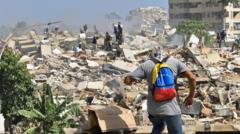
A series of powerful seismic events has struck Venezuela earthquakes, resulting in the tragic loss of approximately 920 lives and leaving countless families in desperation searching for missing loved ones. The catastrophic natural disaster has transformed entire communities into scenes of devastation, with massive structural damage reported across multiple regions and thousands of people displaced from their homes.
Ongoing Rescue Operations Amid Challenging Conditions
Emergency responders continue their painstaking efforts to locate survivors trapped beneath collapsed buildings and debris fields. According to initial assessments, hundreds of individuals remain unaccounted for, feared to be imprisoned under the rubble of destroyed structures. The search and rescue operations face significant obstacles due to the scale of destruction and the challenging terrain across affected areas.
International Assistance Arrives
In response to the humanitarian crisis, international rescue teams have begun arriving in the affected regions to support local emergency services. These specialized units bring advanced search and detection equipment designed to locate survivors in complex rubble environments. Their expertise in disaster response and victim recovery represents crucial additional capacity for Venezuelan authorities overwhelmed by the magnitude of the situation.
Families Desperately Seek Information
Throughout affected communities, families gather near temporary shelters and emergency response centers, desperately seeking any information about the whereabouts of relatives lost during the Venezuela earthquakes catastrophe. Communication infrastructure damage has complicated efforts to locate missing persons and coordinate relief efforts. Authorities have established hotlines and registration centers to help reunite separated family members.
Search and Rescue Challenges
The geographical distribution of damage across multiple municipalities has stretched rescue resources extremely thin. Debris removal and structural assessment proceed slowly as teams prioritize searching areas with the highest likelihood of finding survivors. Weather conditions and aftershocks continue to present additional hazards for rescue workers navigating unstable ruins.
Regional Impact and Infrastructure Damage
Beyond the tragic human toll, the earthquakes have severely damaged critical infrastructure including hospitals, water treatment facilities, and power distribution networks. These facility losses directly impact the ability to provide medical care to injured survivors and coordinate humanitarian relief distribution. Several hospitals have been rendered partially or completely inoperable, forcing medical personnel to establish emergency treatment facilities.
Medical Response and Healthcare Crisis
Healthcare providers are confronting overwhelming demand for emergency services with limited resources. Injuries ranging from crush wounds to traumatic head injuries require immediate surgical intervention, yet operating facilities remain scarce. Organizations are working to establish field hospitals and triage centers to manage the massive influx of injured persons requiring urgent medical attention.
Humanitarian Relief Efforts Mobilized
International organizations and neighboring countries have pledged support including emergency medical supplies, temporary shelter materials, and food provisions. However, logistical challenges in delivering aid to remote locations continue to slow distribution efforts. The Red Cross and similar humanitarian agencies coordinate volunteer efforts to provide psychological support to traumatized survivors and assist in identifying and registering displaced persons.
Long-Term Recovery Considerations
As immediate rescue operations progress, authorities begin preliminary assessments regarding reconstruction needs and long-term community recovery strategies. Structural engineers must evaluate thousands of buildings to determine whether they can be salvaged or must be demolished. The psychological and economic trauma extends far beyond the immediate disaster period, affecting national stability and requiring sustained international assistance.
International Community Response
Governments and multilateral organizations have mobilized resources to support Venezuela earthquakes recovery efforts. The United Nations has issued humanitarian appeals requesting international financial contributions to support immediate relief and early reconstruction activities. Neighboring South American nations have sent rescue personnel and emergency supplies as gestures of regional solidarity during this critical period.
The scale and severity of this natural disaster underscore the vulnerability of densely populated regions to seismic activity and the critical importance of disaster preparedness planning and building safety standards in earthquake-prone areas.