
Business activity in the eurozone has been on a steady rise in recent months, but May brought a surprising turn of events. For the first time in five months, the region’s economic growth has shown signs of slowing down, with business activity contracting. This unexpected decline has been primarily driven by a slowdown in the services sector, which has long been considered the engine of the eurozone’s economy.
The latest data from IHS Markit’s Purchasing Managers’ Index (PMI) shows that the eurozone’s composite PMI fell to 48.1 in May, down from 53.8 in April. A reading below 50 indicates a contraction in business activity, while a reading above 50 signals expansion. This drop in the PMI has raised concerns among economists and policymakers, who were hoping for a continued recovery after the pandemic-induced economic downturn.
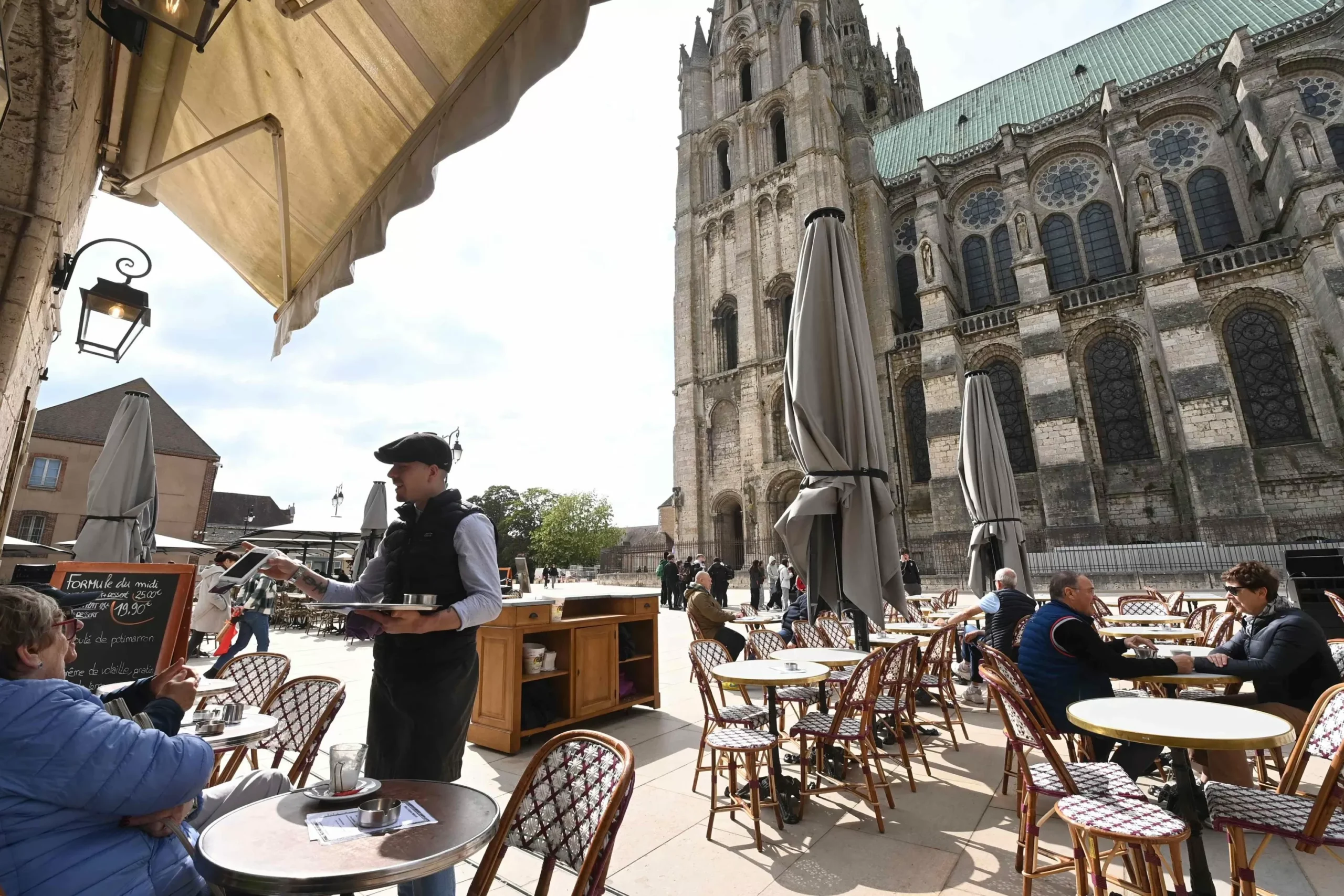
The services sector, which includes industries such as tourism, hospitality, and transportation, has been hit hard by the ongoing COVID-19 crisis. With strict lockdown measures in place and travel restrictions still in effect, many businesses in this sector have struggled to stay afloat. As a result, the services PMI fell to 55.2 in May, down from 50.5 in April. This was the first time in eight months that the services PMI dropped below the 50 mark, indicating a contraction in activity.
The manufacturing sector, on the other hand, has continued to show strength, with the PMI remaining above 50 for the fourth consecutive month. However, even this sector saw a slight decline in activity, with the PMI falling to 62.8 in May, down from 62.9 in April. This indicates that the manufacturing sector is also feeling the impact of the slowdown in the services sector.
The unexpected decline in business activity has raised concerns about the pace of the eurozone’s economic recovery. Many had hoped that the region’s economy would bounce back quickly, especially with the rollout of vaccines and the easing of lockdown measures. However, the latest data suggests that the recovery may not be as smooth as anticipated.
Despite this setback, there are still reasons to remain optimistic about the eurozone’s economic prospects. The region’s vaccination efforts have been gaining momentum, with more and more people getting vaccinated every day. This is expected to lead to a gradual easing of restrictions, which will provide a much-needed boost to the services sector. Additionally, the European Union’s €750 billion recovery fund is set to kick in, providing much-needed support to businesses and economies across the region.
Moreover, the European Central Bank (ECB) has reaffirmed its commitment to supporting the eurozone’s economy. In a recent statement, ECB President Christine Lagarde stated that the bank will continue to provide ample liquidity and favorable financing conditions to support the recovery. This is expected to provide a much-needed cushion to businesses and households in the eurozone, helping them weather the current economic challenges.
In conclusion, while the decline in business activity in the eurozone is certainly a cause for concern, it is important to remember that this is just a temporary setback. The region’s economy has shown resilience in the face of the pandemic, and with the right measures in place, it is expected to bounce back in the coming months. The eurozone’s economic recovery may have hit a speed bump, but it is by no means derailed. With continued efforts and support from policymakers, the region is well on its way to a strong and sustainable recovery.