

U.S. President Donald Trump has taken bold steps in an effort to protect American workers and bolster the national economy. The recent signing of an executive order introducing steep tariffs has sparked a global debate, with some praising the move while others express concern about the implications for international trade and alliances.
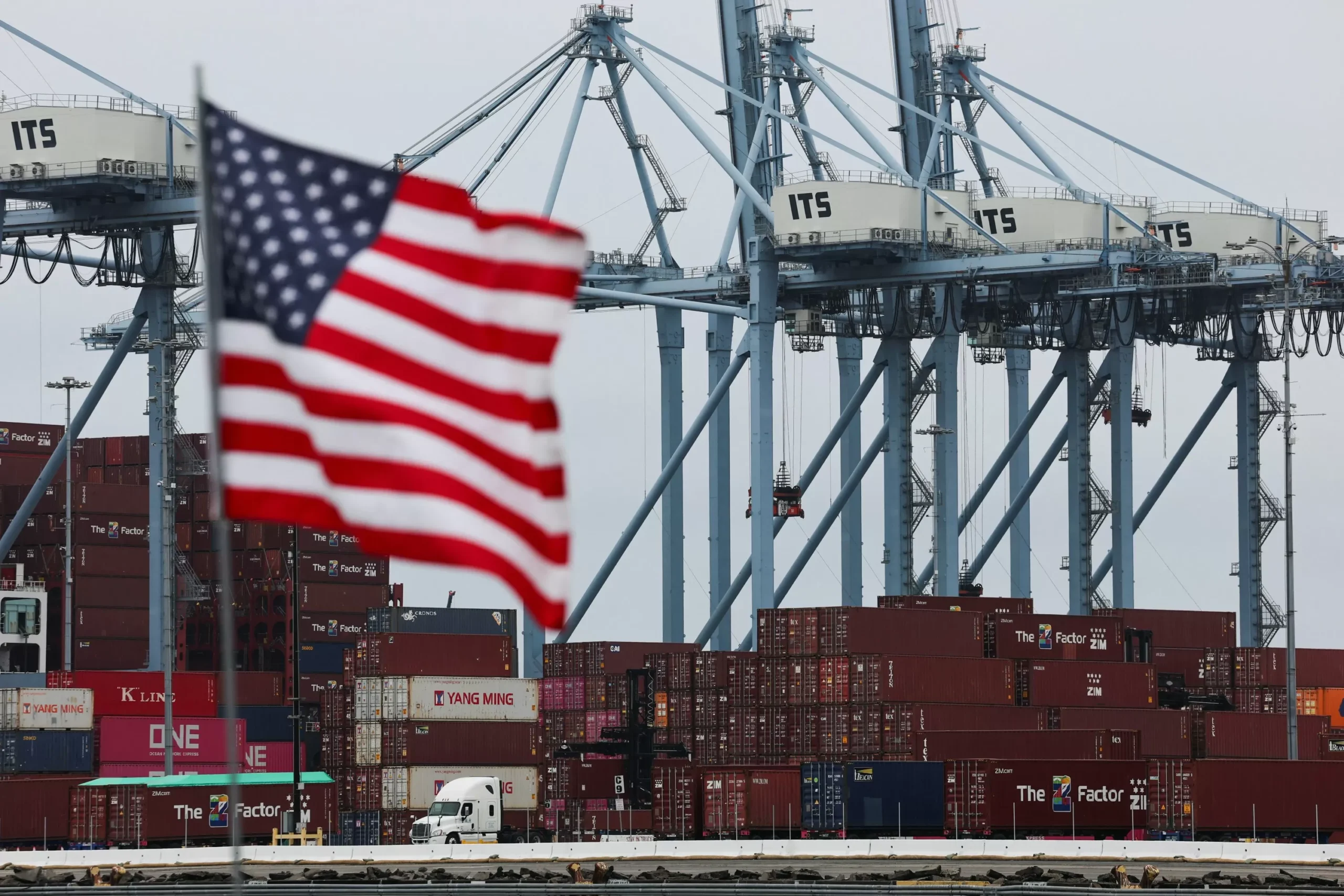
The executive order, signed on March 8th, imposes tariffs on imports of steel and aluminum from dozens of countries, including China, Canada, and the European Union. The tariffs, which will take effect in 15 days, impose a 25% tax on steel and a 10% tax on aluminum, with the intention of boosting domestic production and protecting American jobs.
President Trump has long been a vocal supporter of the U.S. steel and aluminum industries, often citing the decline of these industries as a threat to national security. In his address during the signing of the executive order, he stated, “We have to protect our steel and aluminum industries while at the same time showing great flexibility and cooperation toward those that are really friends of ours.”
The tariffs have been met with both praise and criticism. On one hand, many U.S. steel and aluminum companies are celebrating the move, seeing it as a much-needed boost for their industries. Others, however, worry about the potential backlash from affected countries and the impact it may have on global trade.
One of the main concerns is the threat of a trade war, as many countries have already promised to retaliate with their own tariffs on American goods. This could have serious economic consequences for both the U.S. and its trading partners. Some critics also argue that the tariffs will ultimately end up hurting American consumers, as it may lead to higher prices on goods that use steel and aluminum in their production.
Despite these concerns, President Trump remains confident in his decision, emphasizing that it is a necessary step to protect U.S. interests. He has also stated that the tariffs may be removed or modified for countries that are willing to negotiate better trade deals with the U.S.
The president’s actions have also received support from within his own party, with House Speaker Paul Ryan stating that he “commend[s] the president for taking decisive action to protect American workers and our national security.”
The executive order has also been praised by some economists who argue that the tariffs could lead to an increase in job creation and wages in the steel and aluminum industries. They believe that the tariffs will provide much-needed relief for these struggling industries and help to level the playing field for American workers.
In addition to the economic benefits, the executive order may also have political implications. Many see it as a move to fulfill one of President Trump’s key campaign promises of protecting American workers and reviving the manufacturing sector. With midterm elections looming, this move may prove to be a popular one among his supporters.
As the international community grapples with the implications of the new tariffs, it is important to recognize the larger context in which this decision was made. The global economy has been facing major challenges in recent years, with growing concerns about unfair trade practices and the need for more balanced trade agreements.
President Trump’s executive order is a clear message to the world that the U.S. is committed to prioritizing its own interests and is not afraid to take action to protect them. It also serves as a reminder to other nations that the U.S. is willing to negotiate fair and reciprocal trade deals that benefit both parties.
In conclusion, President Trump’s decision to impose steep tariffs on steel and aluminum imports has sparked a global debate and raised concerns about the impact on international trade and alliances. However, it is a move that aligns with his campaign promises of protecting American workers and strengthening the national economy. Only time will tell the full effects of this decision, but for now, it is clear that President Trump is taking decisive action to put America first.