
AI Detects Heart Disease in Women Using Mammograms
Groundbreaking study reveals how artificial intelligence can identify cardiovascular problems in women through routine mammogram screenings for breast cancer de...
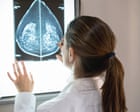
Revolutionary Detection Method Using Artificial Intelligence
A significant breakthrough demonstrates that AI detects heart disease in women by analyzing routine mammograms used for breast cancer screening. Medical researchers have unveiled an innovative approach that transforms standard mammography into a dual-purpose diagnostic tool, enabling the simultaneous detection of cardiovascular conditions alongside cancer risk assessment. This advancement addresses a critical gap in women's healthcare, as cardiovascular disease remains the leading cause of death among women worldwide, yet frequently goes undiagnosed during routine medical examinations.
The integration of AI technology into existing mammography protocols represents a paradigm shift in preventive medicine. By leveraging machine learning algorithms, healthcare providers can now identify multiple health threats during a single screening procedure, maximizing efficiency and patient outcomes.
How Artificial Intelligence Analyzes Mammogram Data
The research team employed sophisticated AI systems to examine mammogram images, training algorithms to recognize patterns associated with various cardiovascular conditions. Through this analysis, the artificial intelligence successfully identified women presenting with coronary heart disease, hypertension, and previous stroke events. The technology demonstrates remarkable accuracy in detecting these life-threatening conditions that would otherwise require separate specialized testing.
Machine learning models were developed by analyzing thousands of mammogram images from patients with documented cardiovascular histories. The AI systems learned to identify subtle indicators within breast tissue imaging that correlate with heart disease risk factors. This innovative approach eliminates the need for additional screening procedures while increasing the likelihood of early intervention.
Clinical Significance for Women's Healthcare
Cardiovascular disease represents a substantial public health challenge, particularly because women often experience different symptoms than men and receive delayed diagnoses. Traditional screening methods frequently miss early-stage heart conditions in female patients. The ability to detect heart disease through mammograms addresses this disparity by incorporating cardiovascular assessment into an already routine procedure that millions of women undergo annually.
Medical experts emphasize that this discovery transforms breast cancer screenings into comprehensive health evaluations. Women attending mammography appointments could receive critical information about their cardiovascular status simultaneously, enabling physicians to initiate preventive treatment and lifestyle modifications before serious cardiac events occur.
Implications for Future Medical Screening Protocols
The findings suggest substantial potential for reshaping standard medical screening procedures across healthcare systems worldwide. By implementing AI detection systems into existing mammography equipment, hospitals and diagnostic centers could dramatically expand their capacity for disease identification without requiring additional infrastructure investment or patient time.
This technology offers particular value in underserved communities where access to specialized cardiovascular screening remains limited. Routine mammogram appointments could serve as touchpoints for comprehensive health assessment, democratizing access to advanced diagnostic capabilities.
Expert Perspectives and Medical Consensus
Healthcare professionals view this breakthrough as a significant advancement in preventive medicine. The dual-screening capability addresses a critical need, as many women remain unaware of their cardiovascular risk status until experiencing acute cardiac events. Early detection through AI-enhanced mammography could facilitate timely interventions, potentially preventing thousands of premature deaths annually.
Research continues to validate the accuracy and reliability of these AI systems across diverse patient populations, ensuring equitable healthcare benefits regardless of demographic factors. The ongoing development of these technologies promises continued improvements in detection accuracy and clinical utility.
Moving Forward: Implementation and Patient Benefits
Healthcare institutions are beginning to integrate these AI detection systems into clinical practice, with promising results emerging from preliminary implementations. Patients benefit from comprehensive health assessment during routine appointments, while healthcare providers gain valuable diagnostic information that informs clinical decision-making and treatment planning.
This convergence of breast cancer screening and cardiovascular disease detection exemplifies how artificial intelligence enhances modern medicine, making healthcare more efficient, accessible, and effective in saving lives.