
Artificial Ice Pyramids: How India's Villages Combat Water Scarcity
Discover how Himalayan villages create artificial glaciers to secure spring water for crops. Learn about innovative ice pyramid technology saving mountain commu...
Mountain Communities Turn to Innovation for Water Security
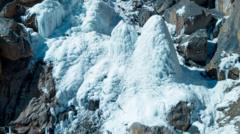
In the remote reaches of the Himalayas, innovative artificial glaciers are transforming how mountain communities manage seasonal water availability. These remarkable structures, often compared to ice pyramids due to their distinctive shape, represent a practical solution to water scarcity that has plagued agricultural regions for generations. Villages across high-altitude zones of India are implementing these systems to ensure reliable water supplies for their crops during critical spring months when irrigation becomes essential.
Understanding the Artificial Glacier System
The technology behind artificial glaciers is deceptively simple yet highly effective. During winter months when water flows abundantly from natural sources, engineers direct this water through specially constructed channels into shaded areas at high elevations. The freezing temperatures at these altitudes cause the water to accumulate in cone-shaped frozen formations, creating what locals call ice pyramids. As spring arrives and temperatures rise, these accumulated frozen reserves gradually melt, providing a consistent water supply precisely when farming communities need it most.
How Mountain Villages Benefit from This Technology
Agricultural communities in the Himalayas face a critical challenge: while winter brings substantial snowfall and water flow, spring and early summer often experience severe water shortages. This seasonal imbalance has historically limited crop productivity and threatened food security. By establishing artificial glaciers across their territories, these villages have achieved remarkable results. Farmers now access stored water reserves that extend their irrigation season, enabling them to cultivate larger areas and grow more diverse crops. The system requires minimal maintenance and operates without external energy inputs, making it sustainable for economically limited communities.
Real-World Impact on Agricultural Productivity
Villages implementing artificial glacier technology report significant improvements in agricultural output. Where water scarcity previously limited farmers to single seasonal crops, communities now successfully cultivate multiple harvests. Young people who might have migrated to cities seeking economic opportunities increasingly remain in their villages, attracted by improved farming prospects. This retention of rural populations helps preserve traditional knowledge and cultural heritage while supporting local economies.
Technical Implementation and Infrastructure
Creating functional artificial glaciers involves careful planning and construction. Engineers identify optimal locations—typically north-facing slopes that receive minimal sunlight—where conditions remain cold enough for water to freeze and persist. They design intricate channel systems that capture water from natural springs and streams during the winter season. The channels direct this water into collection zones where it crystallizes into substantial ice formations. Different villages have adapted the basic concept to suit their specific topography and climate conditions.
Materials and Construction Methods
Most artificial glacier systems rely on locally available materials and traditional construction techniques. Stone channels, earth embankments, and sometimes simple concrete structures form the infrastructure. This approach ensures that villages can maintain these systems using local labor and resources, without dependency on external supplies. The low-tech nature of the solution paradoxically makes it more reliable than complex mechanical systems that might fail without specialized technical support.
Climate Change and Water Scarcity Challenges
Climate change has intensified the urgency of finding solutions like artificial glaciers. Scientists observing the Himalayas report that natural glaciers are retreating at accelerating rates. Warmer temperatures alter traditional precipitation patterns, making water availability increasingly unpredictable. For communities that have relied on glacier-fed rivers for millennia, these changes pose existential threats to their way of life. Artificial glacier technology offers a pragmatic adaptation strategy that helps communities regain control over their water security in an uncertain climate future.
The Broader Context of Climate Adaptation
These ice pyramid systems exemplify how localized, community-based solutions can effectively address global climate challenges. Rather than waiting for international climate agreements or large-scale infrastructure projects, mountain villages have taken initiative to solve immediate problems using ingenuity and available resources. Their success demonstrates that climate adaptation need not require high-technology approaches or massive investments.
Lessons for Other Water-Stressed Regions
The artificial glacier model developed in Himalayan villages offers potential applications beyond India's mountains. Other high-altitude regions experiencing water stress—from the Andes to Central Asia—have shown interest in adapting this technology. The approach is particularly suitable for areas with similar climate patterns: abundant winter water, freezing temperatures at elevation, and pronounced seasonal water demand. International development organizations have begun documenting these systems as potentially valuable solutions for global water security challenges.
Community Resilience and Long-Term Sustainability
Perhaps most significantly, artificial glaciers empower communities to take control of their resource management rather than remaining passive victims of environmental change. The technology fosters local problem-solving traditions and strengthens community institutions responsible for water distribution. As villages manage their artificial glacier systems collaboratively, social cohesion strengthens around shared resource interests.
The Himalayan villages pioneering artificial glacier technology demonstrate that sustainable solutions to environmental challenges often emerge from affected communities themselves. As climate pressures continue to intensify, these innovative ice pyramids stand as testament to human adaptability and the power of location-specific solutions to address pressing global challenges.