
Germany Considers Returning to Coal Energy Amid Gas Crisis
Germany explores coal-powered electricity as rising natural gas costs force a strategic energy reconsideration. Learn how fuel costs impact Germany's climate go...
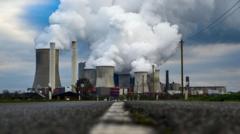
Germany's Shift Toward Coal-Powered Electricity
Coal-powered electricity is becoming a topic of serious reconsideration in Germany as energy officials grapple with unprecedented challenges in the broader energy landscape. The nation, which had committed to phasing out coal as part of its environmental objectives, now faces mounting pressure to reassess this position due to escalating natural gas expenses.
The Rising Cost of Natural Gas
The dramatic increase in natural gas prices has fundamentally altered Germany's energy calculus. What was once considered a transitional fuel between coal and renewables has become economically prohibitive for many industrial and residential users. This price surge, driven by global supply constraints and geopolitical tensions, has forced policymakers to examine previously abandoned fuel sources with fresh perspectives.
Economic Pressures on Energy Infrastructure
Germany's reliance on imported natural gas has exposed vulnerabilities in its energy supply chain. As prices have soared, the cost of maintaining current energy systems has become unsustainable for both consumers and businesses. This economic strain has reignited discussions about whether temporarily extending the life of existing coal facilities might provide necessary relief.
Historical Context of Germany's Energy Transition
For decades, Germany pursued Energiewende, an ambitious transformation toward renewable energy sources. This policy framework explicitly targeted the elimination of coal power plants by 2038, positioning the nation as a leader in climate action. However, the unforeseen consequences of rapid energy transitions are now evident as the country confronts the realities of replacing baseload power sources.
Previous Commitments and Current Contradictions
Germany's earlier declaration to abandon coal represented a significant diplomatic stance on climate responsibility. Environmental groups and international partners supported this commitment as a crucial step toward reducing carbon emissions. Yet the combination of renewable energy intermittency and insufficient storage capacity has created operational challenges that policymakers must address pragmatically.
Examining the Role of Coal-Powered Electricity
Coal-powered electricity generation, despite its environmental drawbacks, provides reliable baseload capacity that renewable sources currently cannot fully replace. Existing coal infrastructure remains largely intact, making it a readily available resource during energy emergencies. Some analysts argue that temporarily extending certain coal facilities' operational lifespan could bridge the gap until alternative solutions mature.
Comparative Analysis of Energy Options
Natural gas serves as an intermediate fuel but has proven unreliable and expensive. Nuclear energy remains politically controversial in Germany following the Fukushima incident. Solar and wind installations continue expanding, yet weather-dependent generation creates gaps that require backup systems. In this complex scenario, coal's established infrastructure presents a practical, if uncomfortable, consideration.
Environmental and Political Implications
Any renewed reliance on coal-powered electricity would represent a significant departure from Germany's stated climate objectives and international commitments. The move conflicts with European Union emission reduction targets and broader global climate agreements. Environmental advocates warn that such decisions could undermine global climate action momentum and damage Germany's reputation as a climate leader.
Balancing Pragmatism with Environmental Goals
The dilemma facing German policymakers reflects a broader tension between immediate energy security needs and long-term environmental protection. Decisions made in the coming months will influence not only Germany's energy future but also international perceptions of climate commitment reliability. The challenge lies in finding solutions that address urgent economic pressures without abandoning fundamental environmental principles.
Alternative Solutions and Future Perspectives
Rather than simply reinstating coal-powered electricity, Germany could accelerate investments in energy storage technology, grid modernization, and renewable capacity expansion. Liquefied natural gas imports from diverse suppliers might reduce vulnerability to supply disruptions. Enhanced energy efficiency standards could decrease overall demand and ease pressure on supply systems.
Transitional Strategies Forward
Industry experts suggest that any temporary extension of coal operations should include strict timelines and measurable progress toward renewable alternatives. This approach would address immediate needs while maintaining momentum toward the original energy transition goals. International cooperation on renewable technology development and energy infrastructure sharing could provide additional pathways forward.
Conclusion: Germany at an Energy Crossroads
The potential reconsideration of coal-powered electricity in Germany symbolizes the complex realities of transforming major industrial economies. While the nation remains committed to renewable energy advancement, practical challenges demand honest assessment of current capabilities. The coming decisions will demonstrate whether Germany can navigate the balance between immediate energy security and long-term climate responsibility, potentially offering lessons for other nations undertaking similar transitions.