
Guinea Waste Dump Collapse: Dozens Dead in Capital Tragedy
A catastrophic waste site collapse in Guinea's capital has resulted in multiple fatalities and destroyed homes. Learn about the disaster and rescue efforts.
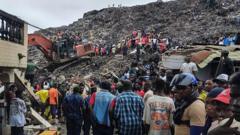
Devastating Collapse at Guinea's Largest Refuse Site
A major waste facility in Guinea's capital has experienced a catastrophic structural failure, resulting in a significant loss of life. The Guinea waste dump collapse occurred when accumulated refuse shifted without warning, engulfing residential structures beneath massive amounts of debris. Local authorities confirm that the disaster has claimed dozens of lives, with rescue teams continuing search and recovery operations in the affected areas.
Scope of the Disaster
The incident unfolded at one of the region's most extensively used waste disposal sites, where garbage accumulates from the densely populated urban center. Eyewitnesses reported a sudden movement of the enormous refuse mound during the early morning hours. The resulting avalanche of waste materials cascaded across nearby neighborhoods, destroying multiple residential buildings and leaving families homeless. Government officials have confirmed that numerous structures were completely buried under the collapsed debris.
Emergency Response and Rescue Efforts
Emergency services mobilized immediately following the Guinea waste dump collapse, deploying rescue teams equipped with heavy machinery and extraction tools. Firefighters and civil protection personnel worked through challenging conditions to locate survivors trapped beneath the rubble. Search and rescue operations faced significant obstacles due to the instability of the remaining waste materials and the dense composition of the debris field.
Humanitarian organizations have established temporary shelters for displaced residents and are providing emergency medical assistance to injured survivors. The capital's health infrastructure has been strained by the influx of casualties requiring urgent medical attention. International humanitarian agencies have offered support to aid local authorities in managing the crisis response.
Environmental and Infrastructure Implications
The Guinea waste dump collapse highlights serious concerns regarding waste management infrastructure and environmental safety protocols. The disaster raises critical questions about landfill engineering standards, site maintenance procedures, and regulatory oversight of waste disposal facilities. Environmental experts emphasize that aging refuse sites without adequate structural reinforcement face heightened risks of catastrophic failure.
Investigations into the root causes of the collapse have begun, with authorities examining the landfill's operational history and maintenance records. Preliminary assessments suggest that inadequate compaction procedures and insufficient drainage systems may have contributed to the structural instability that led to the disaster.
Impact on Communities and Recovery Plans
The Guinea waste dump collapse has devastated surrounding neighborhoods, with hundreds of residents losing their homes and possessions. Local government officials have announced emergency measures to provide temporary housing and financial assistance to affected families. Reconstruction efforts face logistical challenges given the scale of destruction and limited available resources.
Community leaders are calling for comprehensive reforms to waste management practices throughout the nation. The disaster has sparked public debate about environmental responsibility and the need for investment in proper sanitation infrastructure. Authorities have committed to conducting thorough investigations and implementing preventive measures at other landfill sites across the country.
Lessons and Future Prevention
International waste management experts have offered technical assistance to investigate why the Guinea waste dump collapse occurred and to recommend preventive measures for future operations. Proper landfill design, including adequate slope stability, quality drainage systems, and regular monitoring protocols, is essential to prevent similar disasters. The incident underscores the critical importance of maintaining adequate safety standards at all waste disposal facilities serving urban populations.