
Israel Launches Attacks in Southern Lebanon Despite New Peace Framework
Israel carries out military strikes in southern Lebanon following a ceasefire agreement with Hezbollah. At least one death reported as tensions persist in the r...
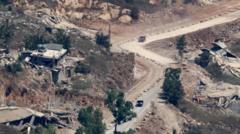
Israel Conducts Military Operations in Southern Lebanon
Israel has launched a series of military strikes targeting southern Lebanon, marking a significant development just hours after the two nations finalized a peace framework. The Israel Lebanon military strikes have resulted in confirmed casualties, with state media reporting at least one fatality in the immediate aftermath of the attacks. This escalation underscores the fragility of diplomatic efforts in the region and raises questions about the implementation and adherence to the newly signed agreement between the two neighboring states.
Details of the Recent Strikes
The coordinated military operations focused on strategic locations across southern Lebanon's border region. Intelligence sources indicate that the strikes were concentrated on specific tactical targets, though the exact rationale behind the timing of these Israel Lebanon military strikes remains a subject of international scrutiny. Regional observers note that the assault comes at a particularly delicate moment, when both parties had publicly committed to reducing tensions through the new diplomatic framework.
Eyewitness accounts and local reports describe widespread concern among border communities regarding the sudden escalation. The decision to proceed with military operations has prompted renewed discussions about the credibility of ceasefire arrangements and the underlying security concerns that continue to shape Israeli and Lebanese relations.
International Response and Framework Agreement
The newly signed peace framework represents months of negotiations and international mediation efforts aimed at establishing a sustainable resolution to regional hostilities. However, the Israel Lebanon military strikes that followed the agreement's signing suggest that underlying disagreements persist regarding security protocols and territorial considerations. International observers have expressed concern that the escalation could undermine the diplomatic progress achieved through the negotiation process.
Regional analysts emphasize that such incidents often occur during transitional periods, as military forces adjust to new operational parameters and both governments test the boundaries of the agreed-upon arrangements. The immediate aftermath of diplomatic agreements frequently witnesses heightened tensions as competing interests seek to reassert themselves on the ground.
Casualties and Humanitarian Impact
According to Lebanese state media sources, the Israel Lebanon military strikes have claimed at least one life, with reports indicating potential additional casualties and injuries. The confirmation of fatalities underscores the serious and ongoing nature of the security situation, despite high-level diplomatic progress. Local health authorities have mobilized emergency response services to address immediate humanitarian needs in affected areas.
Communities in the border regions have expressed deep concern about the apparent disconnect between political declarations of peace and the military reality on the ground. Residents continue to face the persistent risk of cross-border violence, creating an environment of uncertainty regarding the durability of recently established frameworks.
Political and Military Implications
The timing of these operations raises critical questions about military command structures and political oversight in both nations. Israeli military officials have not yet provided detailed explanations for the strikes, leaving analysts to speculate about strategic objectives and tactical considerations. Similarly, Lebanese government responses have been measured, though regional actors have issued strong statements condemning the attacks.
Hezbollah's official condemnation of the new arrangement and subsequent military response reflects deep-seated concerns within the organization regarding the terms of the agreement and perceived compromises on security interests. The organization's statement suggests that significant portions of the Lebanese political spectrum harbor reservations about the framework and its implementation.
Looking Forward: Regional Stability Concerns
The immediate challenge facing both governments involves preventing further escalation while maintaining the diplomatic momentum established through recent negotiations. International mediators and regional powers have expressed commitment to supporting the peace process, though the recent Israel Lebanon military strikes demonstrate the persistent vulnerability of agreements to sudden military action.
Security analysts suggest that robust monitoring mechanisms and clearly defined rules of engagement will be essential to preventing further incidents. The successful implementation of the framework will likely depend on establishing trust-building measures that address legitimate security concerns on both sides while creating accountability structures for military operations.
As diplomatic teams prepare for next-phase negotiations, the international community remains focused on supporting efforts to consolidate the ceasefire and prevent regression to higher levels of hostility. The coming weeks will prove critical in determining whether recent diplomatic gains can withstand military pressures and political opposition.