
NHS Recommends Screening Women With Irregular Periods for PMOS
New NHS guidance urges investigation of up to 4 million women with irregular periods for polyendocrine metabolic ovarian syndrome (PMOS), an underdiagnosed cond...
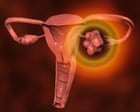
NHS Issues New Guidance on PMOS Screening for Women
Recent guidance from the National Health Service recommends that women experiencing irregular periods should undergo investigation for polyendocrine metabolic ovarian syndrome, commonly referred to as PMOS. This new healthcare directive addresses a significant gap in diagnosis and management of a condition that remains underrecognized across the United Kingdom. The implementation of comprehensive PMOS screening protocols aims to improve early detection and treatment outcomes for millions of affected women.
Scale of the Public Health Challenge
Approximately 4 million women in the UK with irregular menstrual cycles may benefit from formal evaluation for PMOS, according to the latest NHS recommendations. This substantial population figure underscores the widespread nature of the condition and highlights the necessity for systematic screening approaches. The guidance reflects growing concern that PMOS remains significantly underdiagnosed, with many women experiencing symptoms without receiving an accurate diagnosis or appropriate clinical management.
Global Prevalence and Impact
Polyendocrine metabolic ovarian syndrome represents one of the most common endocrine disorders affecting women of reproductive age. The World Health Organization estimates that PMOS affects approximately 13% of all women within their reproductive years, though prevalence varies considerably depending on diagnostic criteria applied. This substantial prevalence demonstrates that the condition transcends individual cases and constitutes a major public health concern requiring coordinated healthcare responses and evidence-based protocols.
Understanding the Condition
PMOS, formerly recognized as polycystic ovarian syndrome, encompasses a complex array of hormonal and metabolic disturbances that extend beyond reproductive function. The condition affects insulin metabolism, hormone production, and overall endocrine balance. Women with PMOS frequently experience irregular menstrual patterns, hormonal imbalances, and metabolic complications that can impact fertility and long-term health outcomes. The updated terminology and NHS guidance reflect evolving medical understanding of the condition's multifaceted nature.
Inconsistent Management and Clinical Gaps
The NHS guidance specifically addresses inconsistent management practices observed across different healthcare settings. Without standardized diagnostic and treatment protocols, women with PMOS often receive fragmented care from multiple specialists. This inconsistent approach can delay diagnosis, complicate treatment decisions, and leave women without clear guidance regarding management options. The new guidance establishes clearer pathways for investigation, diagnosis confirmation, and appropriate therapeutic interventions.
Diagnostic Importance and Clinical Recognition
Early recognition and diagnosis of PMOS enables timely intervention and improved health outcomes. Women presenting with irregular periods warrant systematic assessment to determine underlying causes, with PMOS considered a primary differential diagnosis. Appropriate diagnostic evaluation includes hormonal assessment, metabolic screening, and imaging studies to confirm diagnosis. Establishing PMOS diagnosis allows clinicians to provide tailored management addressing both reproductive and metabolic aspects of the condition.
Implications for Healthcare Delivery
The NHS guidance represents a significant shift toward proactive screening and earlier identification of PMOS. Implementation of these recommendations requires training healthcare professionals to recognize diagnostic indicators and utilize standardized assessment protocols. Primary care providers will need to identify women at risk, facilitate appropriate investigations, and coordinate referrals to specialist services when necessary. This systematic approach aims to reduce diagnostic delays and ensure women receive evidence-based management plans.
Looking Forward in Women's Health
The updated NHS guidance on PMOS screening demonstrates commitment to improving women's health outcomes through evidence-based healthcare policy. By establishing clear diagnostic pathways and screening recommendations for women with irregular periods, the NHS aims to reduce the burden of undiagnosed PMOS and its associated complications. Continued education, resource allocation, and implementation support will be essential to ensure consistent application of these guidelines across all healthcare settings and equitable access for all women requiring PMOS evaluation.