
Rail Power Outage Disrupts Thousands of Passengers in Manchester
A major rail power failure in Manchester causes widespread delays and cancellations affecting thousands of passengers throughout the evening service.
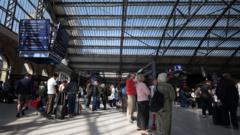
Rail Power Outage Disrupts Thousands of Manchester Passengers
A significant rail power outage struck the Manchester transportation hub, leaving thousands of commuters stranded and triggering extensive service disruptions across the regional network. The unexpected electrical failure occurred during peak evening hours, compounding travel chaos for individuals attempting to complete their daily journeys home from work and other destinations.
Scale of the Disruption
The rail power outage affected numerous train services operating through Manchester's central interchange, one of the United Kingdom's busiest railway junctions. Passengers faced substantial delays lasting several hours, with many services either significantly postponed or completely cancelled. Transport officials indicated that the situation would persist throughout the remainder of the evening, affecting both local and long-distance rail operations.
Immediate Impact on Commuters
Thousands of rail users experienced considerable inconvenience as the power infrastructure failure cascaded through the network. Morning commutes were disrupted, alternative transport arrangements became strained, and passenger frustration mounted as real-time information about service restoration remained limited. Many travelers opted for alternative modes of transportation including buses, taxis, and private vehicles, further congesting surrounding road networks in the metropolitan area.
Manchester Train Disruption Details
The Manchester train disruption stemmed from an unexpected malfunction within the electrical distribution system serving the station complex. Engineering teams mobilized immediately to diagnose and rectify the underlying cause, though initial assessments suggested the restoration process would require several hours. Service frequencies were reduced where possible, with operators running skeleton timetables to accommodate essential passenger movements and emergency transport requirements.
Service Cancellations and Delays
Rather than isolated incidents, passenger delays became systematic across multiple routes. Services heading north, south, east, and west from Manchester experienced knock-on effects, as the power interruption disrupted signaling systems, platform operations, and train control mechanisms. Operators issued multiple apologies to affected travelers, acknowledging the severity of the situation and committing to investigating the incident thoroughly to prevent future occurrences.
Network-Wide Consequences
The ripple effects of this rail service cancellation extended beyond Manchester itself, impacting connecting services throughout the broader rail network. Passengers with onward connections experienced compounded delays, missed appointments, and increased journey times. Transport coordination authorities worked collaboratively to minimize secondary disruptions, though the initial failure's magnitude made complete mitigation impossible.
Evening Service Outlook
Railway executives warned that the evening schedule would remain significantly affected, with full service restoration unlikely until the electrical infrastructure had been completely repaired and thoroughly tested. Passenger information teams provided regular updates through official channels, though communication delays occasionally frustrated travelers seeking concrete restoration timelines. The situation highlighted vulnerability within aging electrical infrastructure and prompted calls for enhanced network resilience investments.
Passenger Response and Support
While railway companies mobilized customer service personnel to assist affected travelers, many passengers expressed frustration regarding compensation eligibility and claims procedures. The unexpected nature of the rail power outage meant staff had limited ability to provide advance warning or facilitate alternative arrangements. However, station facilities remained accessible, with basic amenities and information points available to stranded passengers awaiting service resumption.
Operational Recovery Timeline
Engineering assessments suggested that complete restoration of all services would require extensive testing protocols following initial repairs. This cautious approach, while necessary for safety purposes, extended inconvenience for passengers hoping for expedited resolution. Railway management committed to providing periodic updates as restoration efforts progressed throughout the evening period.