
Revolutionary Microscope 'Curie' Offers Hope for Incurable Bowel Disease
Advanced microscopy technology operates at 10x resolution, promising breakthrough discoveries in inflammatory bowel disease treatment and understanding of Crohn...
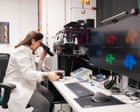
Revolutionary Technology for Bowel Disease Research
Scientists and medical researchers are increasingly optimistic that a groundbreaking advancement in microscopy technology could fundamentally transform our understanding of incurable bowel disease. The innovative 'Curie' microscope represents a significant leap forward in diagnostic and research capabilities, operating at a resolution level that is unprecedented in the field of gastroenterological study. This incurable bowel disease research tool may finally unlock the mechanisms behind some of the most challenging gastrointestinal conditions affecting millions globally.
Understanding the Scale of the Problem
The prevalence of chronic bowel conditions continues to rise at an alarming rate, particularly among younger populations worldwide. According to the British Society of Gastroenterology, more than half a million individuals in the United Kingdom alone are currently managing inflammatory bowel disease (IBD), making this a significant public health concern. The two predominant forms—Crohn's disease and ulcerative colitis—represent the majority of IBD cases, affecting individuals of all ages and substantially impacting their quality of life.
The Curie Microscope: A Game-Changing Innovation
Unlike conventional microscopy equipment, the Curie microscope delivers exceptional imaging capabilities, functioning at approximately ten times the resolution of traditional microscopic technology. This revolutionary enhancement in magnification and clarity allows researchers to examine tissue samples and cellular structures at depths previously inaccessible to scientific investigation. Such enhanced visualization is expected to reveal previously hidden pathological processes underlying inflammatory bowel disease and other incurable bowel disease conditions.
How Advanced Resolution Transforms Research
The significant improvement in microscopic resolution provides researchers with unprecedented visibility into the mechanisms that drive Crohn's disease progression and ulcerative colitis development. By observing cellular and tissue-level changes with such precision, scientists can identify the precise biological pathways that contribute to these debilitating conditions. This level of detailed investigation is essential for developing targeted therapeutic interventions and potentially revolutionary treatment approaches.
Implications for Treatment Development
The discovery potential unlocked by this advanced microscopy technology extends far beyond academic interest. Researchers believe that detailed observations enabled by the Curie microscope could directly accelerate the development of novel treatment protocols for inflammatory bowel disease. The root causes of these chronic conditions have remained largely mysterious, but enhanced imaging capabilities promise to illuminate the fundamental disease mechanisms that have eluded researchers for decades.
Pathway to New Therapeutic Options
Understanding the true etiology of incurable bowel disease is the essential first step toward developing effective interventions. When researchers can visualize the precise cellular abnormalities and tissue damage associated with Crohn's disease and other IBD variants, they can identify specific therapeutic targets. This targeted approach to drug development and treatment design holds tremendous promise for patients who currently have limited options for managing their conditions.
Global Impact and Future Prospects
As the number of young people living with chronic, incurable bowel disease continues to climb internationally, the need for transformative research tools becomes increasingly urgent. The Curie microscope represents exactly the kind of scientific innovation necessary to address this growing health crisis. Medical institutions and research centers worldwide are recognizing that conventional approaches to understanding inflammatory bowel disease have reached their limitations, making advanced technology adoption essential for progress.
Research Community Response
The scientific and medical communities have responded with considerable enthusiasm to this technological breakthrough. Gastroenterologists and cellular biologists see the potential for this microscope to fundamentally reshape how researchers approach incurable bowel disease investigation. Multiple research institutions are already positioning themselves to utilize this advanced equipment, recognizing that early adoption could yield significant competitive advantages in discovering new therapeutic targets.
The Path Forward
The emergence of the Curie microscope marks a pivotal moment in the study of inflammatory bowel disease and related conditions. While this technology alone cannot cure these debilitating disorders, the insights it enables could catalyze the development of more effective treatments. For the millions of individuals suffering from Crohn's disease, ulcerative colitis, and other forms of incurable bowel disease, this represents genuine hope for improved outcomes and enhanced quality of life through better medical interventions.