
Romania Closes Nuclear Reactor Amid Danube Water Level Crisis
Romania's Cernavodă nuclear plant shuts down due to extreme heat and record low Danube River levels. The facility generates 20% of the nation's electricity.
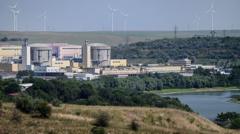
Romania's Critical Nuclear Facility Goes Offline
Romania's sole nuclear power station has ceased operations as unprecedented heat waves trigger a dramatic decline in Danube River water levels. The Cernavodă nuclear plant, responsible for generating one-fifth of the country's total electricity supply, faces an extended shutdown period as environmental conditions deteriorate across the region.
The Cernavodă Plant's Role in Romania's Energy Grid
The Cernavodă facility represents a cornerstone of Romania's electrical infrastructure, accounting for 20% of national electricity production. This significant capacity makes the plant's operational status crucial for maintaining stable power supply throughout the country. The shutdown of this nuclear installation underscores the vulnerability of energy systems to climate-related disruptions.
Danube River Water Levels Reach Critical Lows
Extreme temperatures across Central and Eastern Europe have caused the Danube River to experience historically low water levels. The river's reduced flow capacity directly impacts the cooling systems required for nuclear reactors to operate safely. The Cernavodă plant depends on adequate water supply for thermal regulation, making river conditions a determining factor in its continued functionality.
Timeline for Reactor Restart Remains Uncertain
Officials have indicated that the Romania nuclear plant shutdown will extend for a minimum of ten days, with no guarantee of immediate resumption. Engineers continue monitoring both atmospheric conditions and river measurements to determine when safe restart protocols can be implemented. The extended closure reflects cautious operational standards prioritizing safety over energy production demands.
Broader Implications for European Energy Security
This incident highlights growing challenges facing European nations dependent on nuclear power during periods of environmental stress. Heat-induced river level reductions present recurring obstacles to reactor operations, particularly affecting inland nuclear facilities that rely on watercourse cooling mechanisms. The situation raises questions about energy infrastructure resilience in an era of intensifying climate variability.
Economic and Supply Considerations
The temporary loss of 20% of Romania's electricity generation capacity forces the nation to seek alternative power sources during peak demand periods. This necessity may increase reliance on fossil fuel alternatives or imported electricity, potentially affecting both energy costs and environmental objectives. The incident demonstrates how climate events can cascade through interconnected energy markets.
Looking Forward: Adaptation Measures
Energy authorities across Europe are reevaluating cooling system designs and water management strategies for nuclear installations. The Cernavodă plant's shutdown serves as a cautionary example of climate-related vulnerabilities requiring investment in adaptive infrastructure and operational flexibility for long-term energy security.