
Trump Threatens Fresh Canada Tariffs Amid Cross-Border Wildfire Smoke Crisis
Trump warns of new tariffs against Canada over wildfire smoke pollution. Leader Mark Carney emphasizes shared climate responsibility between nations. Experts li...
Trump Threatens New Tariffs Over Wildfire Smoke Impact
The ongoing dispute regarding Canada wildfire tariffs has escalated as tensions mount between the United States and its northern neighbor. President Trump has issued fresh warnings about imposing tariffs on Canadian goods in response to smoke pollution affecting American cities. This development underscores the growing friction between the two nations over environmental management and air quality issues stemming from uncontrolled wildfires spreading across Canadian territories.
Canadian Leadership Response to Climate Concerns
Canadian Leader Mark Carney has positioned the wildfire crisis as a shared environmental responsibility, emphasizing that both the United States and Canada must work collaboratively to address climate change impacts. According to Carney, the severity of current wildfire conditions cannot be attributed to one nation alone, but rather reflects broader climate patterns affecting the entire North American region. He argues that tackling the root causes of increasingly severe fire seasons requires mutual commitment from both governments.
The Link Between Climate Change and Wildfire Severity
Scientific experts have consistently established a direct correlation between climate change and the deteriorating wildfire conditions observed across North America. Rising temperatures, prolonged drought periods, and shifting weather patterns have created ideal conditions for wildfires to spread more rapidly and intensely than in previous decades. These expert assessments validate the concerns raised by Canadian officials regarding the need for comprehensive climate action.
Cross-Border Air Quality and Public Health
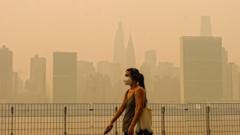
The smoke pollution from Canadian wildfires has reached major American cities, creating significant air quality challenges and public health concerns. Residents across the northern United States have experienced hazardous air conditions, prompting health warnings and outdoor activity restrictions. This cross-border air pollution issue has become a focal point in the tariff debate, with Trump administration officials citing environmental protection as justification for potential trade measures.
Economic and Political Dimensions of the Dispute
The threat of new Canada wildfire tariffs reflects broader trade tensions between the Trump administration and Ottawa. Economic analysts suggest that tariffs implemented under environmental pretenses could have significant implications for bilateral trade relationships. The dispute highlights how environmental issues increasingly intersect with economic policy, creating complex diplomatic challenges that require careful negotiation.
Collaborative Climate Action Framework
Despite current tensions, both nations possess the capacity to implement coordinated climate strategies. Experts recommend enhanced cross-border cooperation on fire prevention, forest management, and emissions reduction. A unified approach to climate change mitigation could address the root causes of severe wildfires while potentially reducing trade friction between the countries.
Moving forward, the resolution of Canada wildfire tariff disputes may depend on whether both governments can establish meaningful climate commitments and demonstrate tangible progress in reducing wildfire frequency and smoke pollution. The situation underscores the interconnected nature of environmental challenges in North America and the necessity for diplomatic solutions that balance economic interests with environmental protection goals.