
Twin earthquakes leave Venezuelans struggling amid aftershock crisis
Venezuela faces devastating twin earthquake aftermath as survivors battle aftershocks. Communities use makeshift tools searching for victims amid humanitarian e...
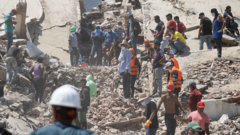
Twin Earthquakes Shake Venezuela, Leaving Communities in Crisis
Twin earthquakes have struck Venezuela with devastating force, leaving countless residents to navigate the catastrophic aftermath largely without external assistance. The twin earthquakes Venezuela experienced created immediate chaos across multiple regions, triggering powerful aftershocks that continue to terrify survivors and complicate rescue operations throughout affected areas.
Desperate Rescue Efforts Underway in Devastated Zones
In communities ravaged by the twin earthquakes, desperate rescue efforts have become entirely dependent on local residents and whatever resources they can muster. Throughout the hardest-hit regions, survivors are employing crowbars, pickaxes, and their own physical strength to excavate rubble and attempt reaching those trapped beneath collapsed structures. These makeshift rescue teams work with primitive tools, lacking professional equipment or organized coordination that would typically characterize disaster response operations in more resourced nations.
The absence of substantial government support or international aid has forced ordinary citizens to become unlikely heroes, conducting search and rescue operations through sheer determination and community solidarity. Neighbors work alongside neighbors, family members team up with strangers, all united by the urgent mission to locate survivors before the window for successful rescue closes permanently.
Aftershock Complications Threaten Ongoing Relief Operations
The persistent threat of aftershocks following the twin earthquakes Venezuela endured has created an exceptionally dangerous environment for rescue workers and survivors alike. Each tremor, no matter how minor it appears, risks trigging additional building collapses and endangering those both above and below ground. This constant seismic threat forces rescuers to make agonizing calculations about risk versus the potential to save lives, often resuming work immediately after tremors subside despite genuine danger.
Psychological toll compounds the physical exhaustion facing rescue teams and displaced populations. The unpredictability of aftershock timing generates continuous anxiety, preventing any sense of safety or stability. Children traumatized by initial earthquakes experience renewed terror with each subsequent tremor, while adults struggle managing both practical survival concerns and emotional strain.
Community Response and Humanitarian Challenges
The Venezuelan earthquake disaster has exposed significant gaps in disaster preparedness and response infrastructure. Local communities have had to improvise solutions for shelter, water access, food distribution, and medical care. Injuries sustained during rescue efforts go largely untreated due to limited medical resources, while infection risk increases daily as sanitary conditions deteriorate in temporary shelters.
Humanitarian organizations attempting to provide assistance face logistical nightmares navigating damaged infrastructure and competing priorities. The twin earthquakes Venezuela sustained have created needs far exceeding available resources, forcing difficult decisions about where limited assistance can have maximum impact.
Long-term Recovery Outlook Remains Uncertain
Recovery from the twin earthquakes will require sustained effort and resources that appear unlikely to materialize quickly. Structural damage extends far beyond what initial assessments suggest, with engineers warning of dangerous buildings that remain partially upright but fundamentally compromised. Rebuilding efforts will strain Venezuelan resources already stretched thin by existing humanitarian crises.
The twin earthquakes Venezuela has experienced represent not merely a natural disaster but a convergence of factors that have left vulnerable populations exceptionally exposed. Without rapid international assistance and coordinated domestic response, the human cost will continue escalating long after aftershocks cease.